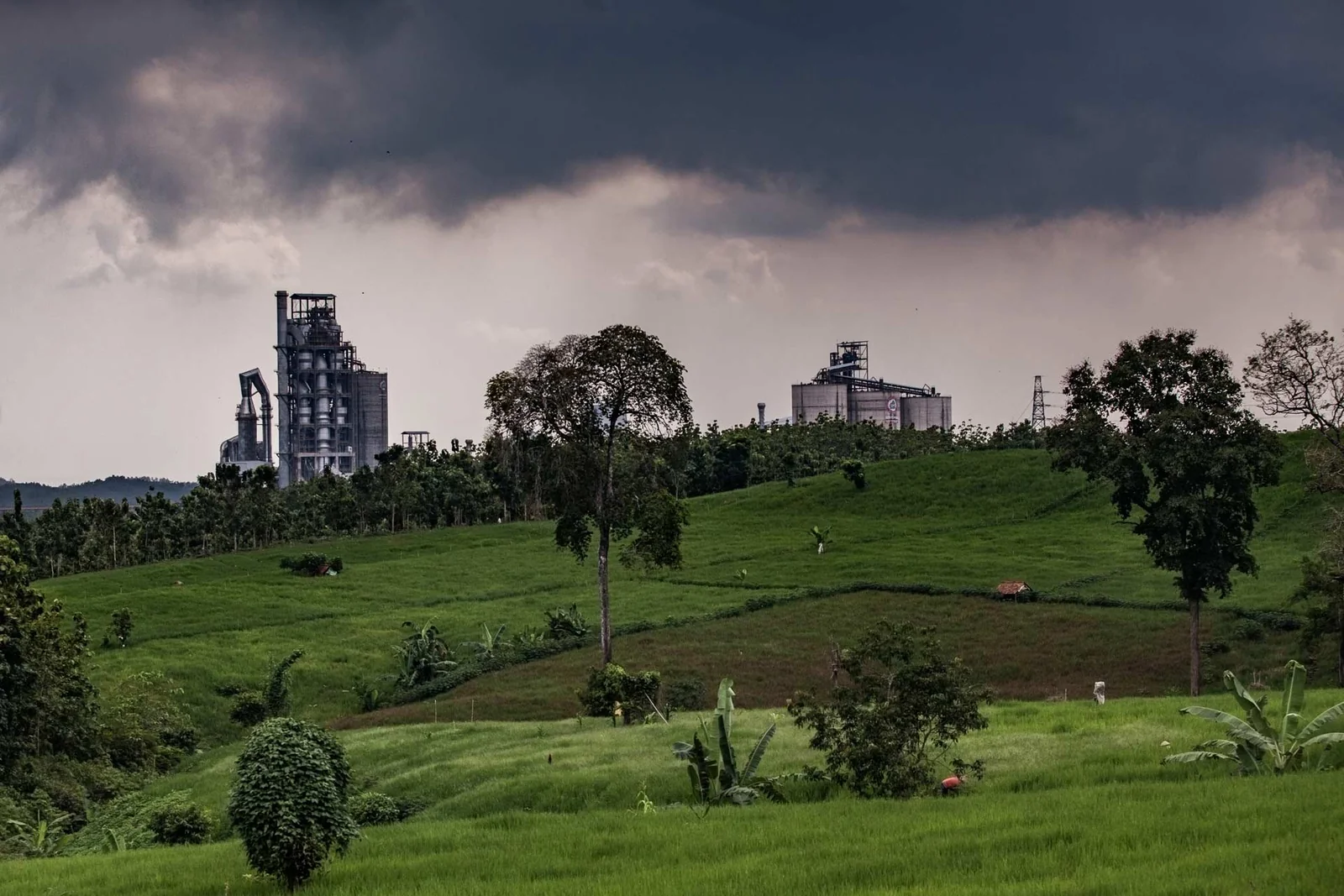
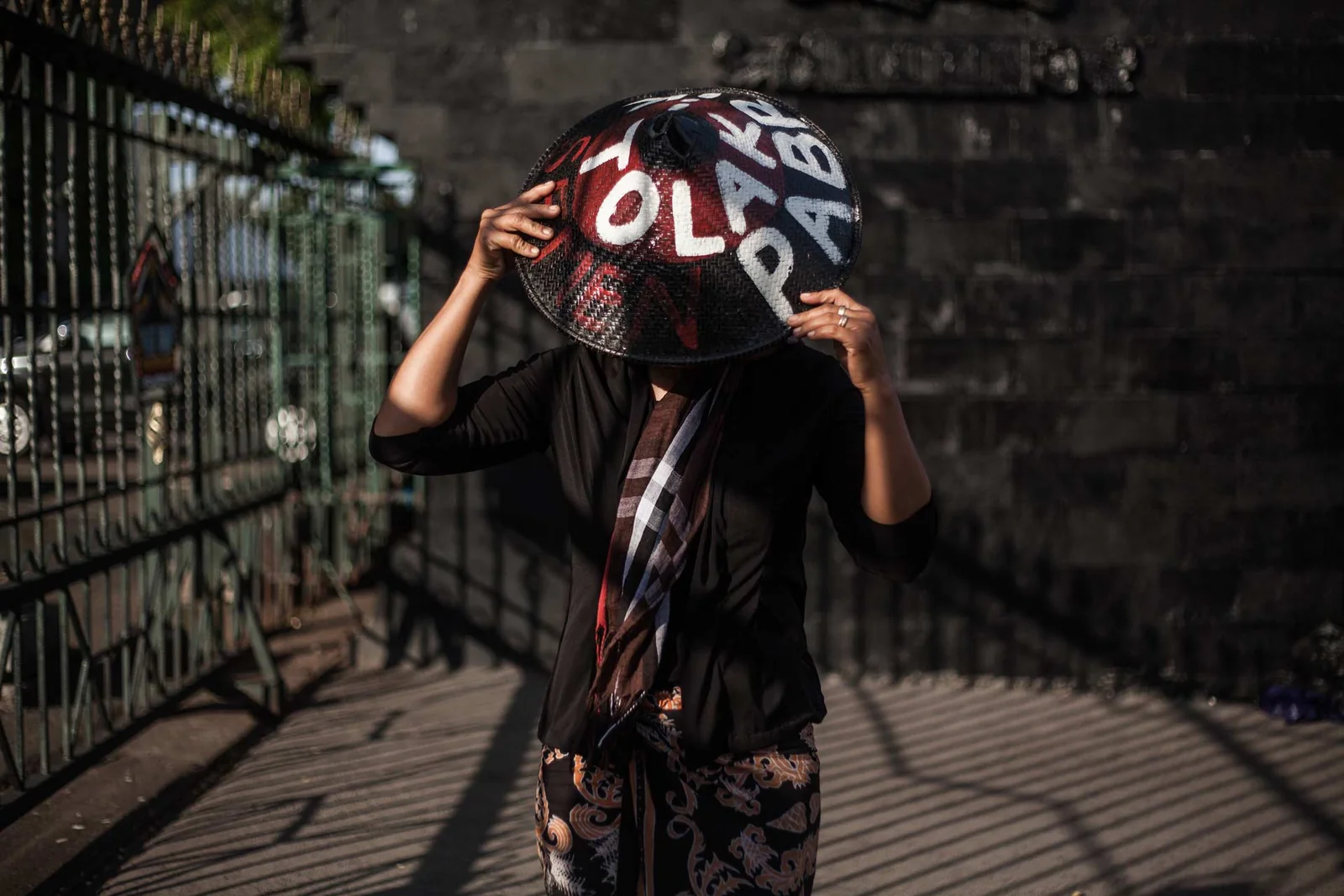
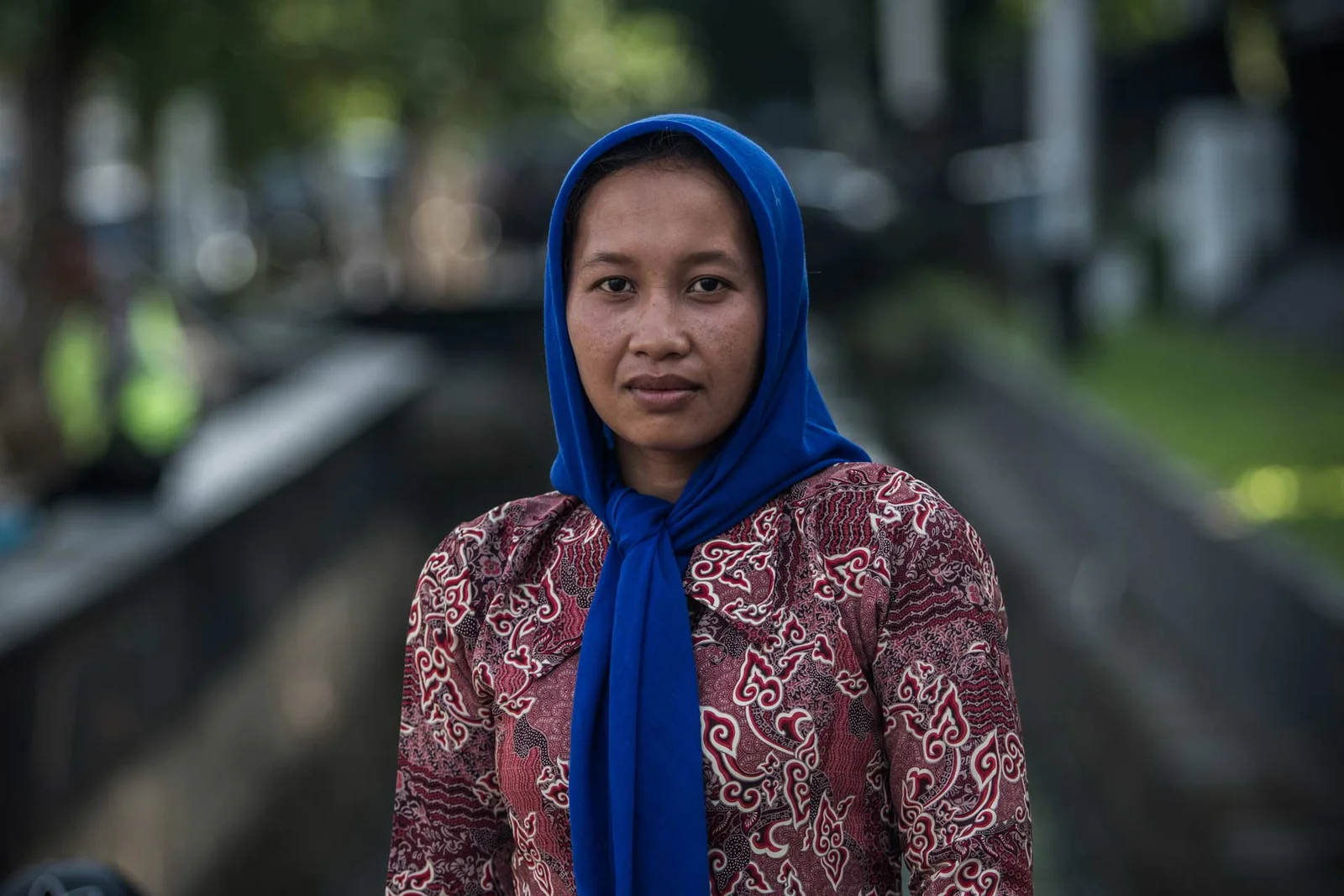
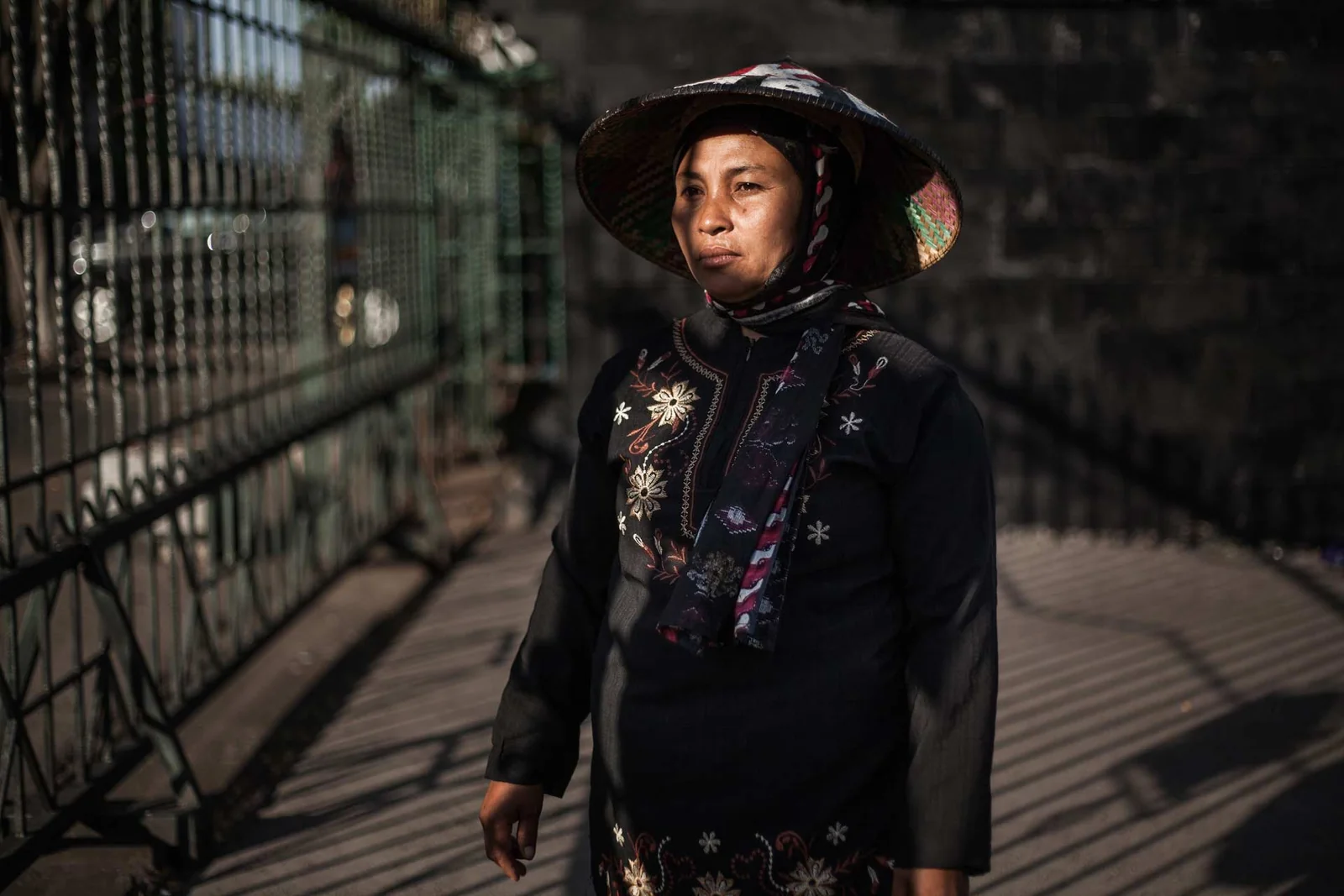
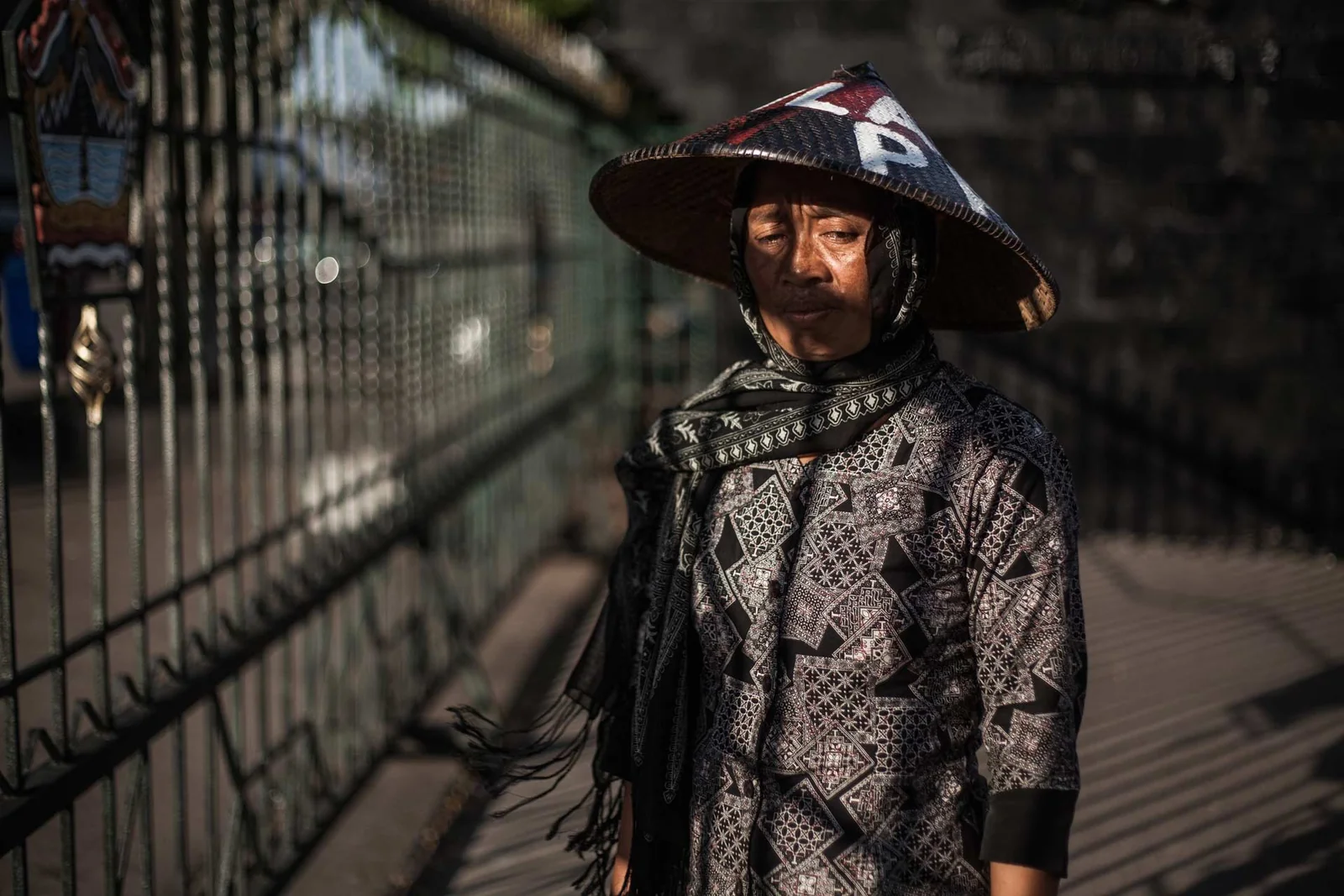
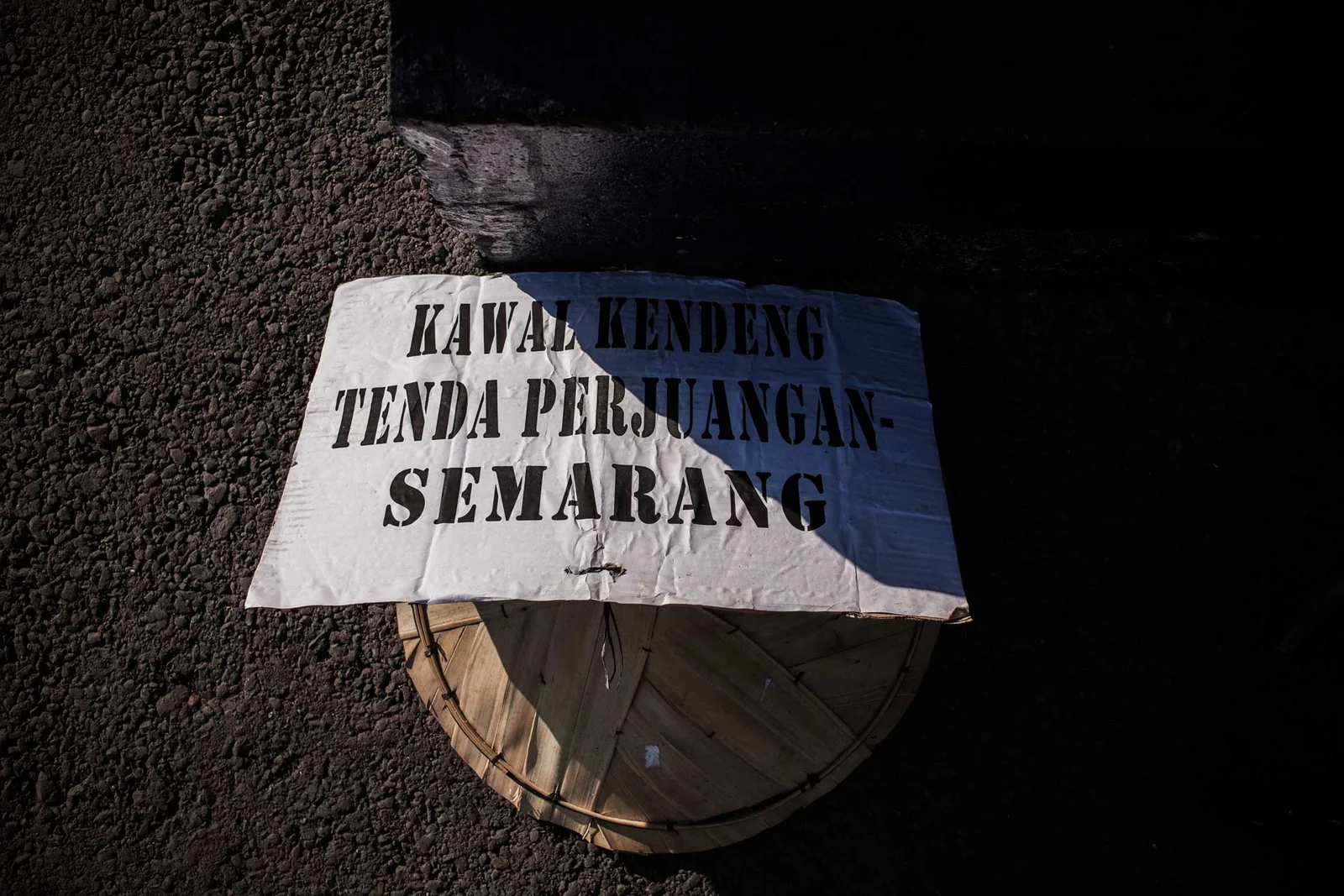
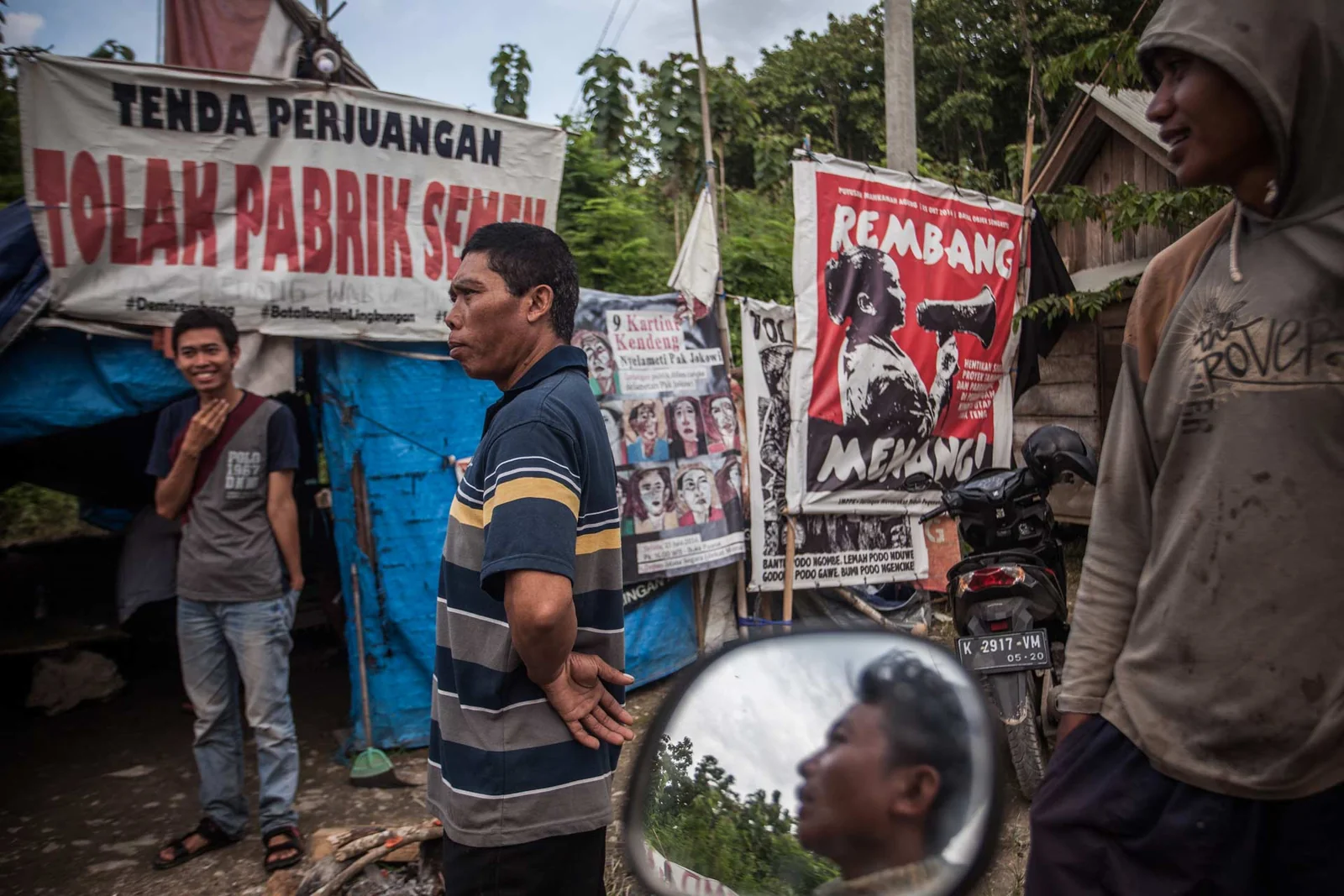
Their struggle received national attention. In August 2016, President Joko Widodo met with the Kendeng farmers. After the meeting, the government ordered a pause and planned a Strategic Environmental Assessment, known as KLHS, to study the Kendeng area. For the farmers, this was an important moment, but it was not the end of the struggle.
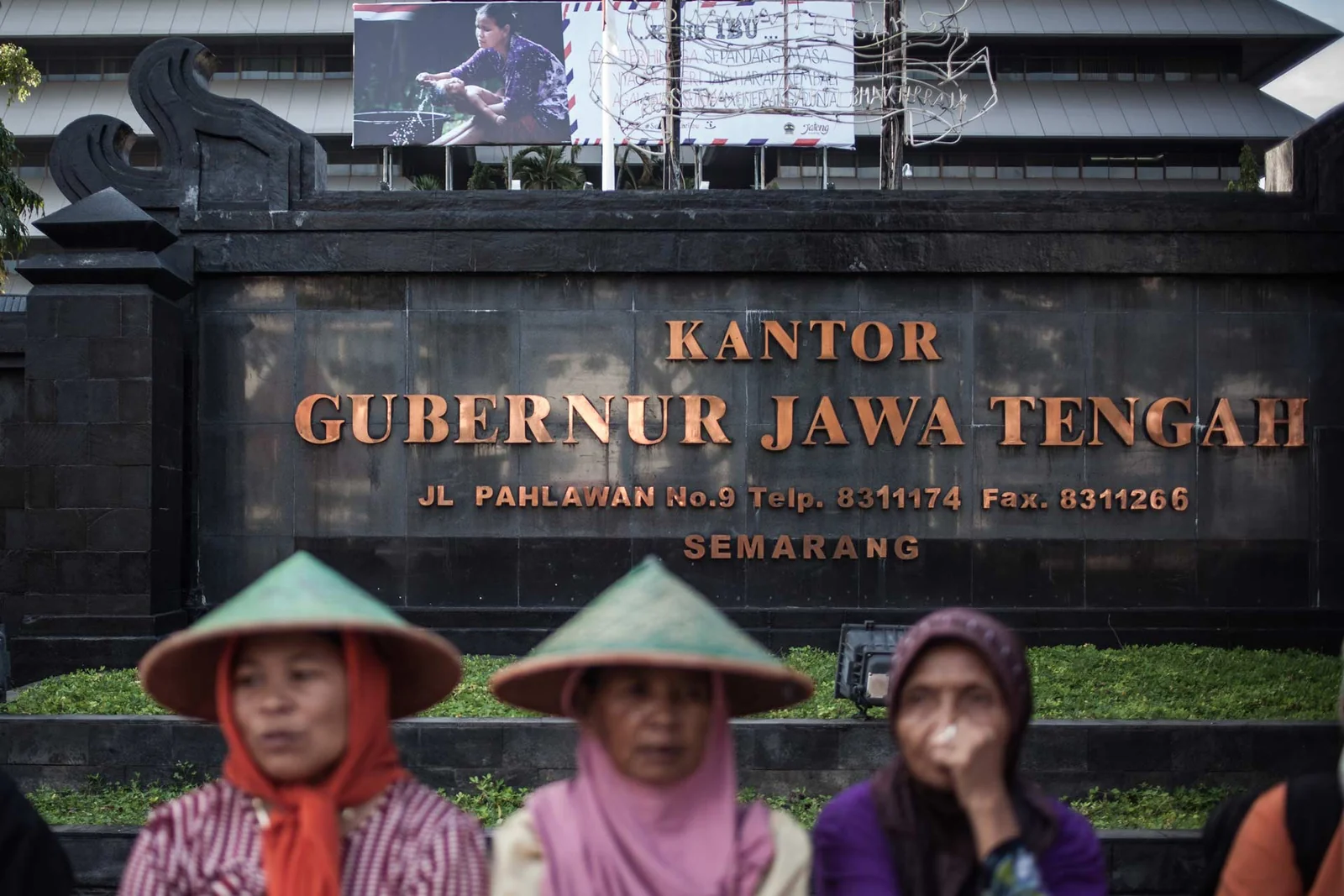
In October 2016, the Supreme Court sided with the Kendeng residents and ordered the cancellation of the environmental permit for the cement project. But soon after, in November 2016, the Central Java governor issued a new permit or addendum for PT Semen Indonesia. Many residents saw this as a betrayal of the court decision and continued their protests.
The movement also gained moral support from religious and cultural figures. KH. Ahmad Mustofa Bisri, widely known as Gus Mus, visited the Kendeng struggle tent in Rembang in late 2016. He criticized the expansion of the cement industry as an expression of greed that threatened nature. In another statement cited in research on the Kendeng movement, Gus Mus said that the struggle against the cement factory should also be fought “with simplicity,” because a greedy and hedonic way of life is destructive.
The Kendeng people also carried their own words of resistance. During the December 2016 long march, Sukinah demanded that the governor revoke the environmental permit for mining and the cement factory in the Kendeng Mountains. Her words were direct:
“Pak Gubernur wajib cabut izin lingkungan pertambangan dan pembangunan pabrik Semen Indonesia di Pegunungan Kendeng, Rembang.”
In English: “The governor must revoke the environmental permit for mining and the construction of Semen Indonesia’s factory in the Kendeng Mountains, Rembang.”