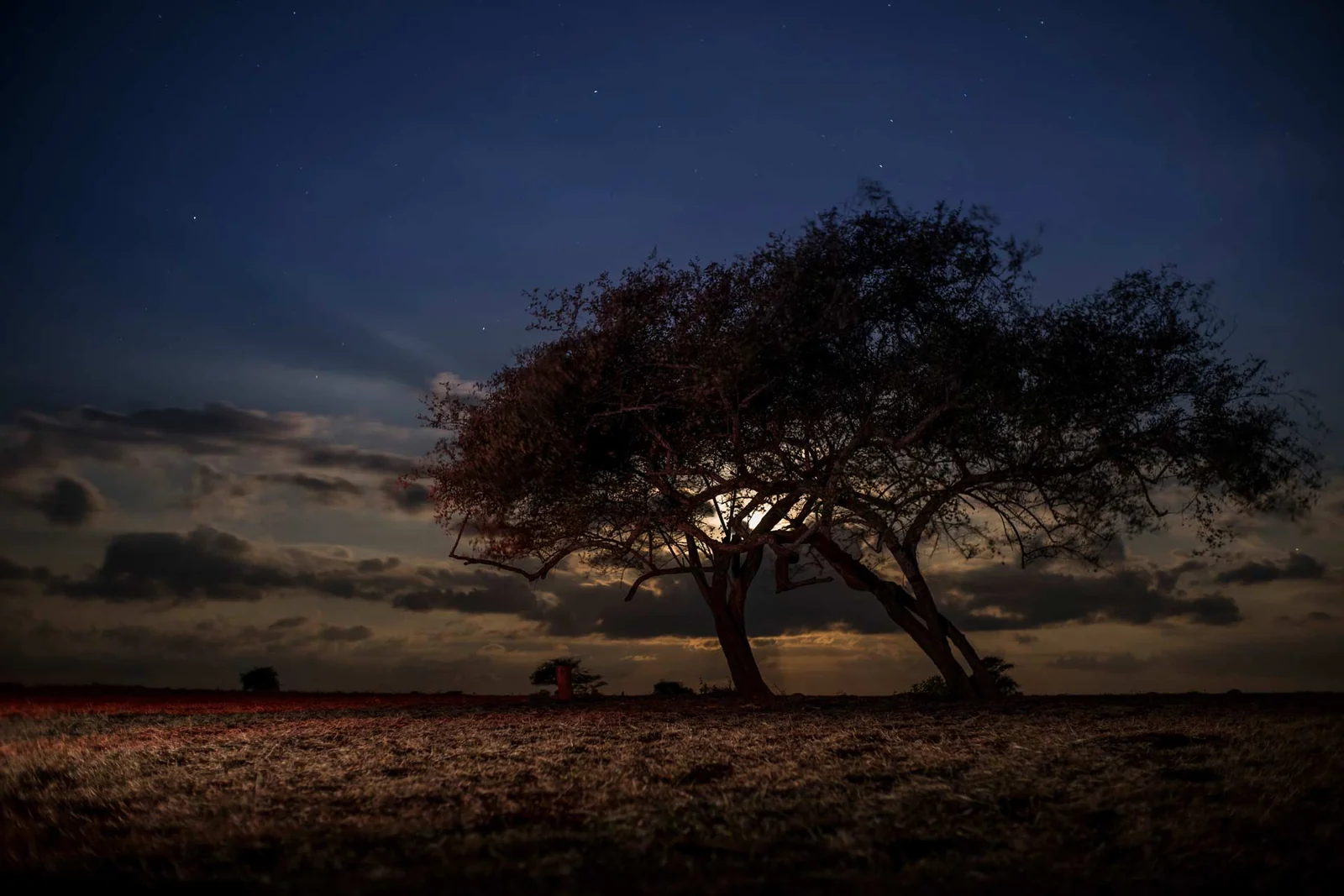
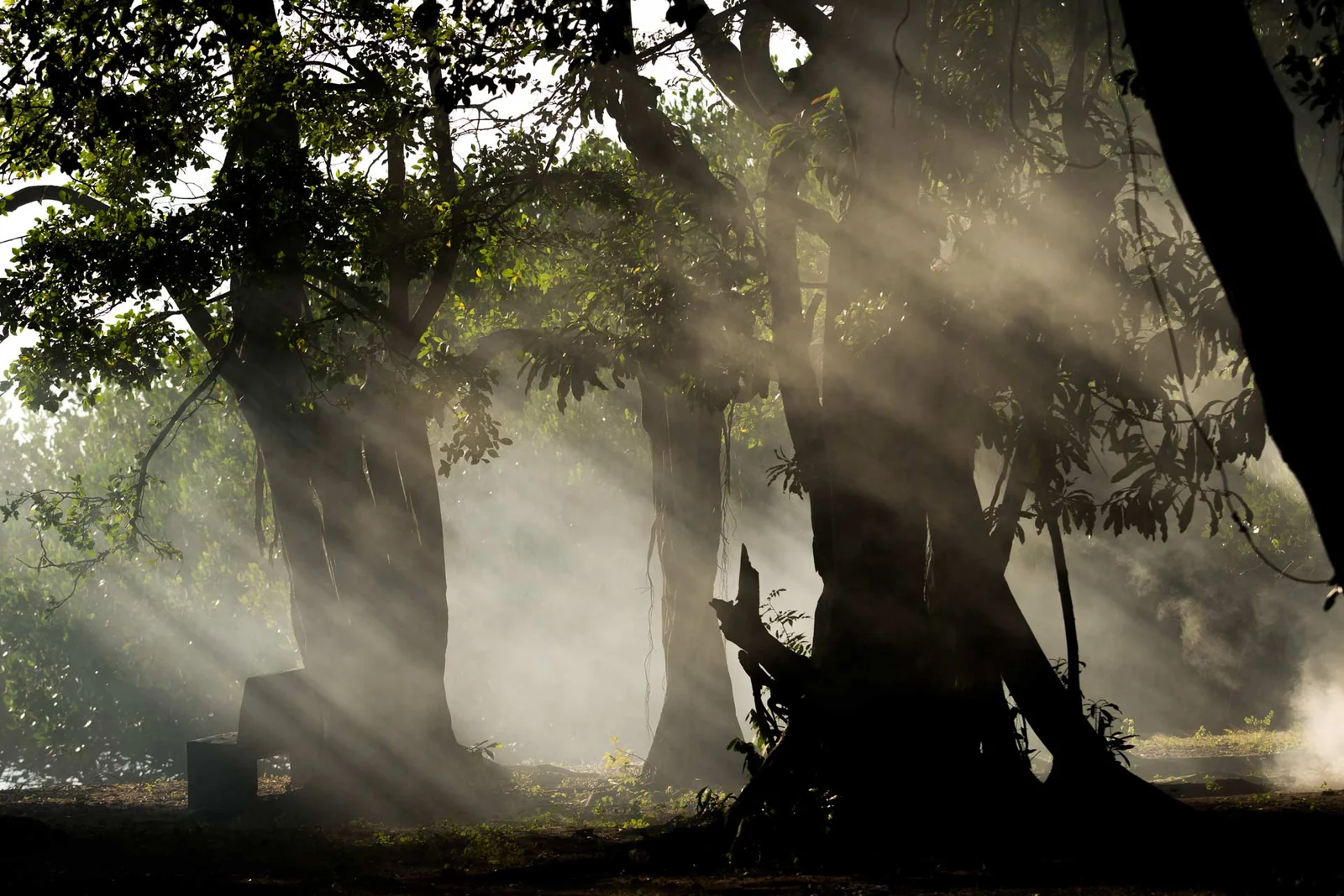
Located in Situbondo, East Java, Baluran National Park covers around 250 square kilometers. It is one of Indonesia’s oldest protected areas, first established as a nature reserve in 1937 during the Dutch East Indies period. Today, Baluran remains one of the most unique landscapes in Java — a place where forest, mangrove, coast, mountain, and savanna exist side by side.
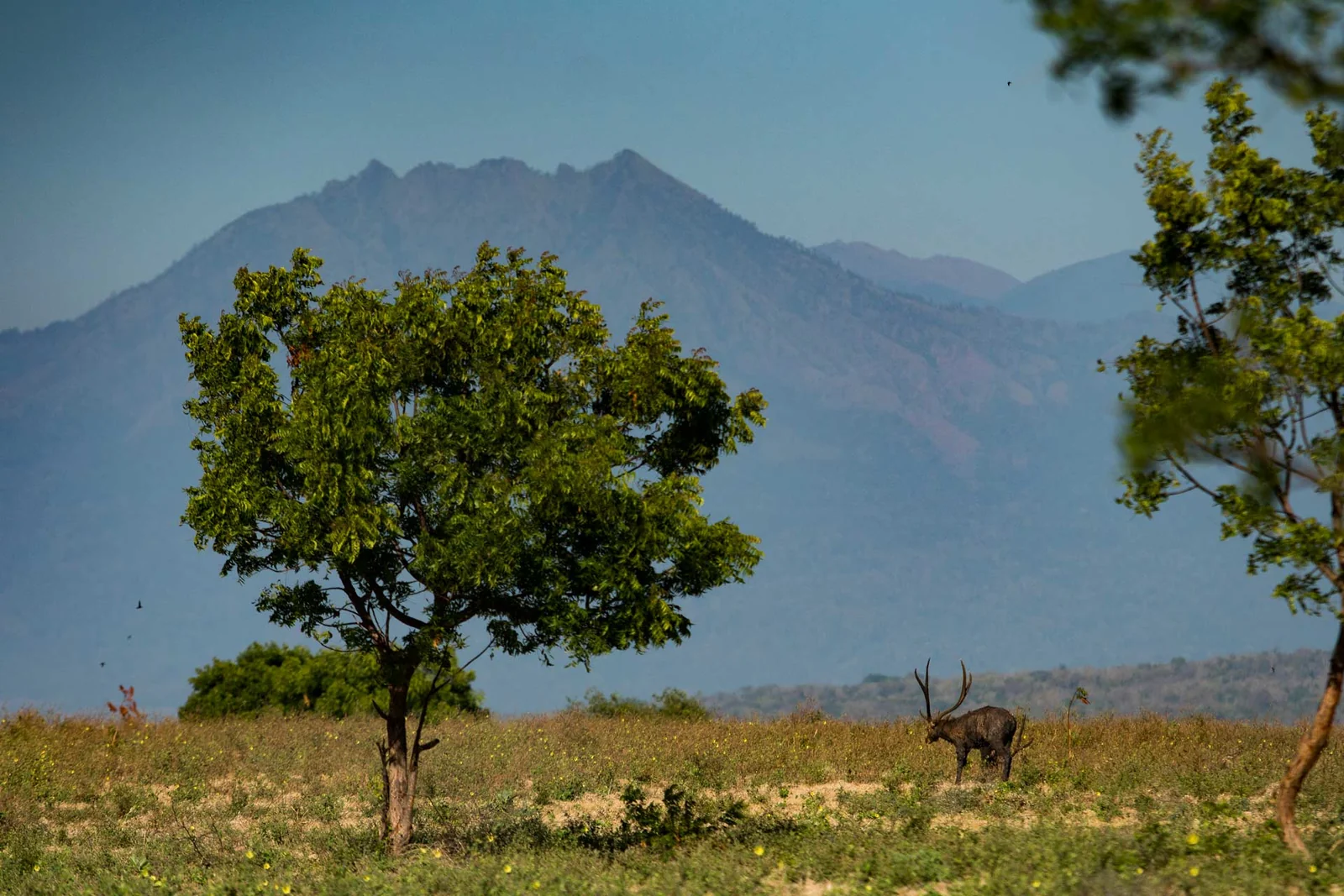
Many people call Baluran “the little Africa of Java.” The name is easy to understand when standing in Bekol Savanna, one of the park’s most famous areas. The wide open grassland, dry wind, and scattered trees create a view that feels very different from the common image of tropical Indonesia. Yet Baluran is not an imitation of somewhere else. It has its own character, shaped by Java’s climate, ecology, and long relationship with the people living around it.
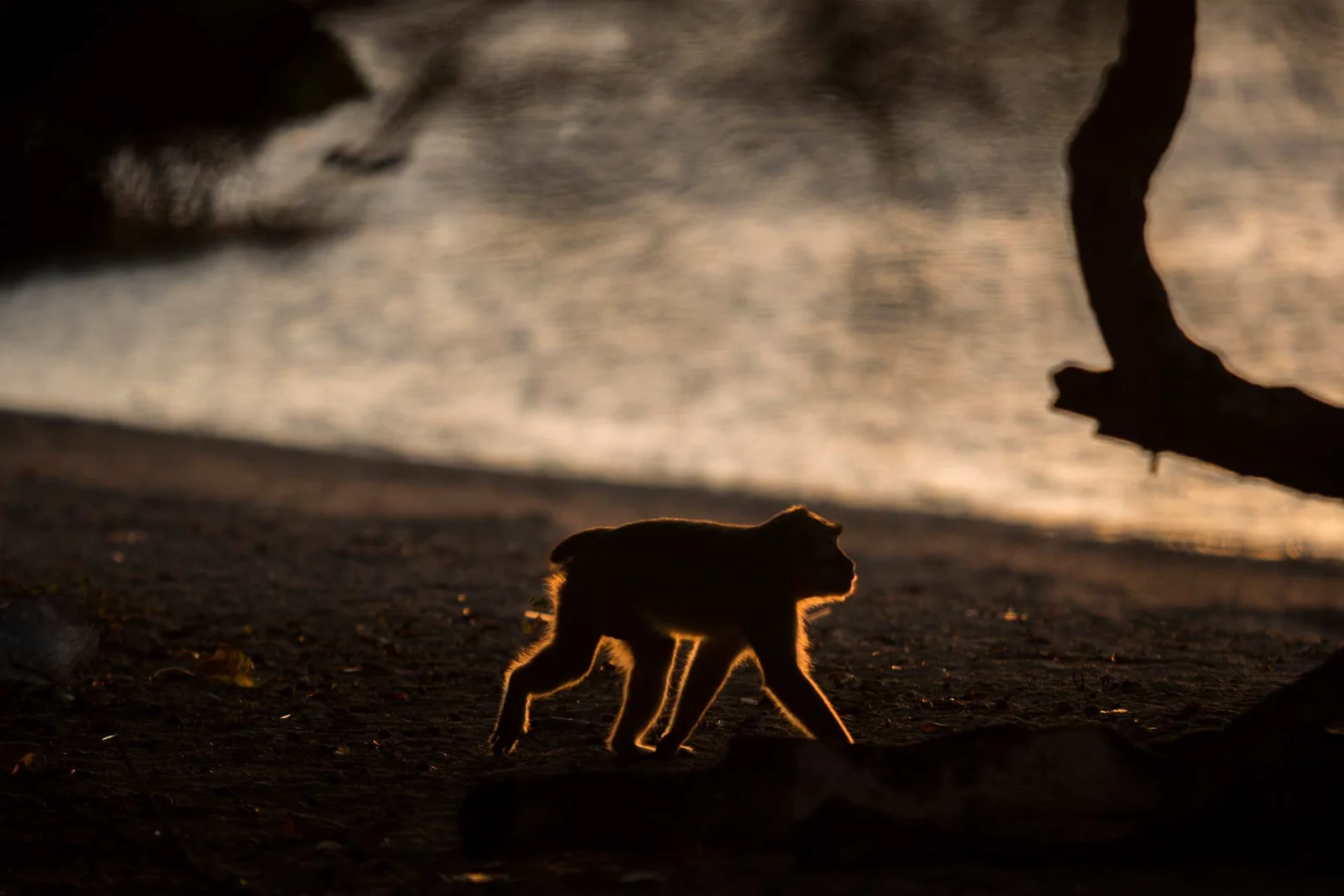
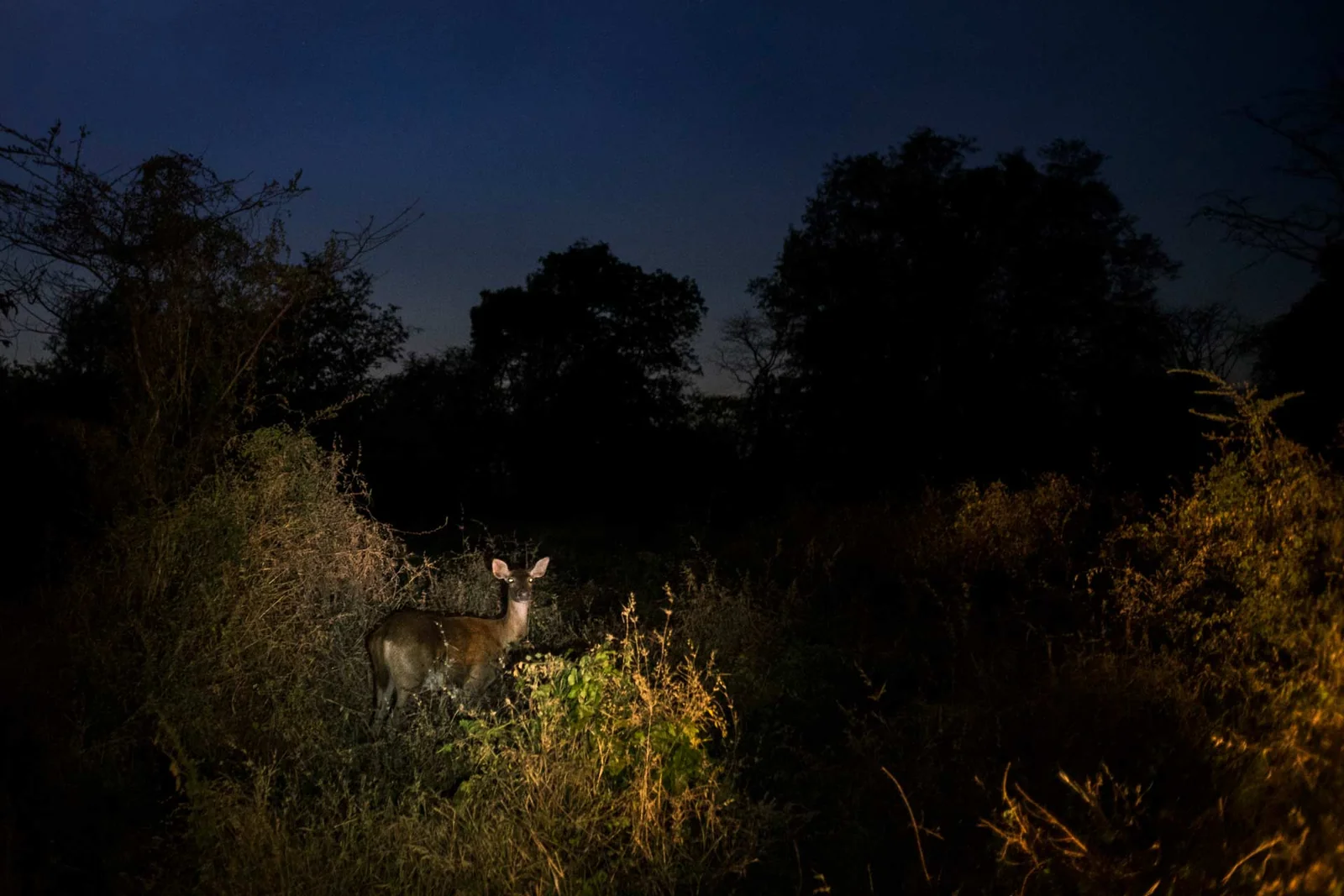
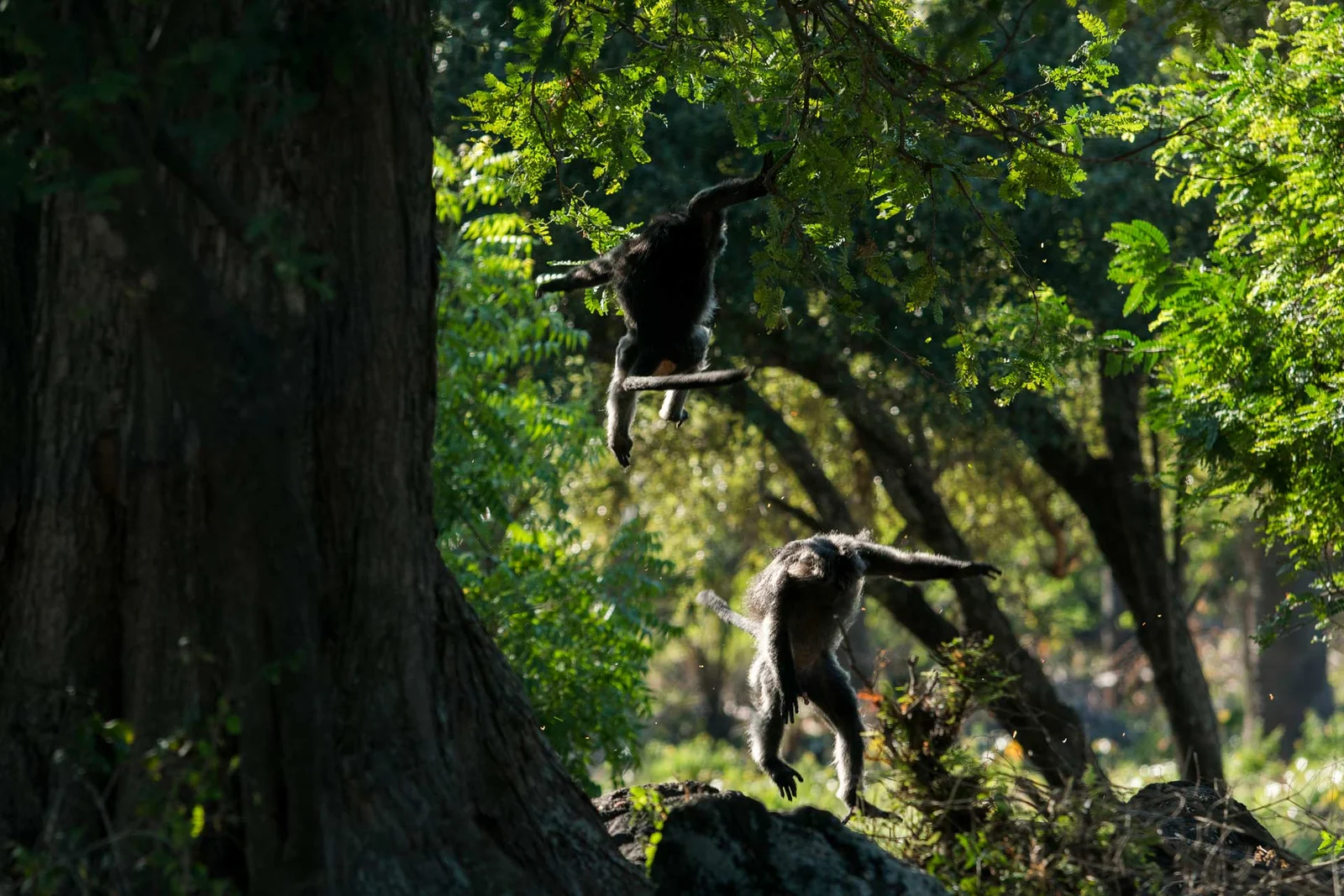
Baluran is home to thousands of species of plants and animals. At least 26 species of mammals live within the park. Among them are the Javan banteng, one of Baluran’s most iconic animals; the Javan leopard, rarely seen but silently present; Timor deer grazing in the open fields; and the shy Javan langur moving between the trees.
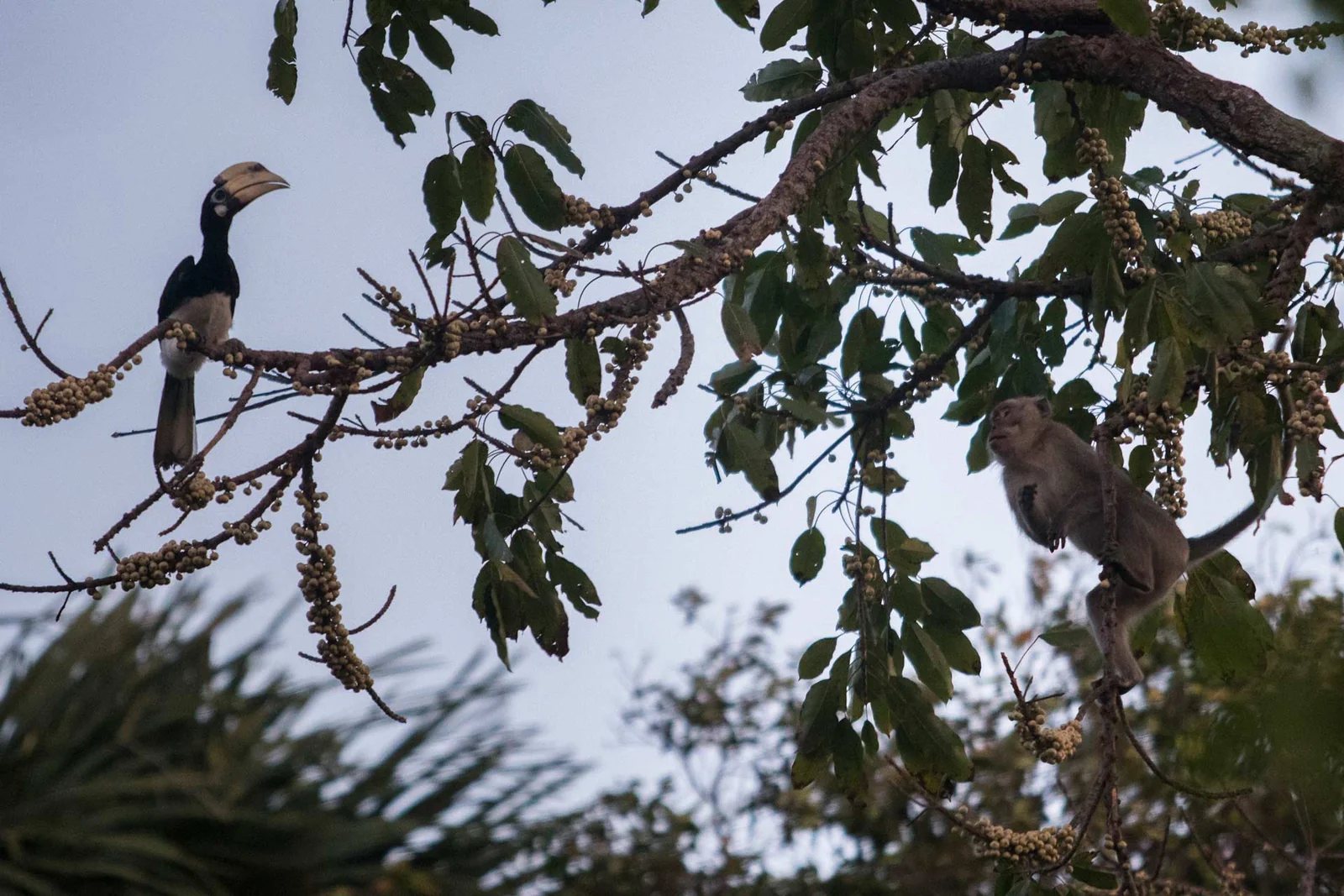
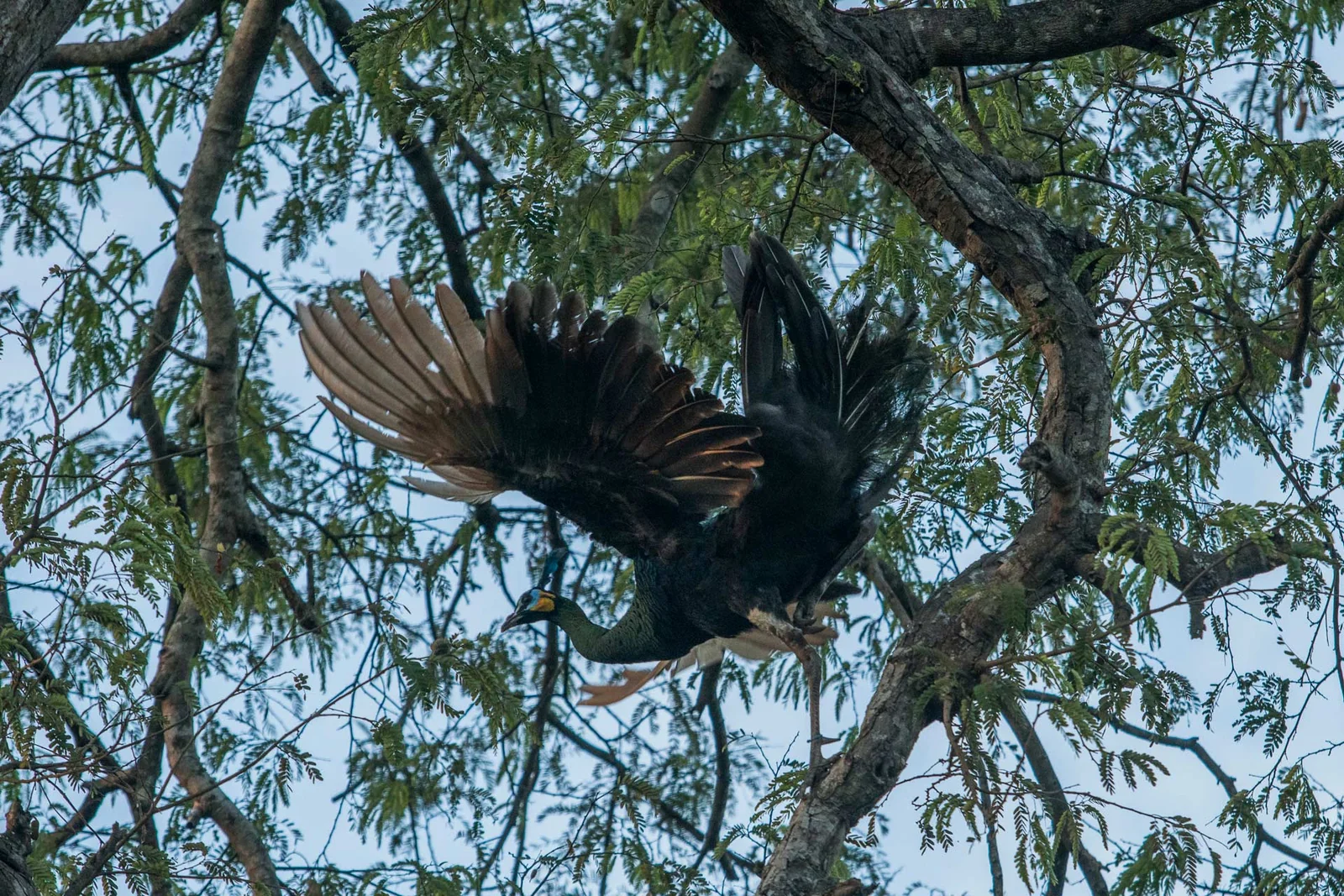
The sky also belongs to many birds of prey. Brahminy kites, changeable hawk-eagles, and crested goshawks can sometimes be seen flying above the forest and savanna. For those who walk slowly and pay attention, Baluran may offer small surprises: the flash of a green peafowl crossing the path, or the sound of an Oriental pied hornbill feeding among the branches.